Sports and Leisure
Sports and leisure are deeply woven into everyday Canadian life. From early-morning hockey practices on community rinks to summer weekends spent hiking in national parks or paddling on pristine lakes, how Canadians move, play and relax reflects both the country’s vast geography and its cultural diversity. This category page brings together everything you need to understand the world of sports and leisure in Canada, whether you are new to an active lifestyle, looking to rediscover a favourite pastime, or simply curious about what this vast country has to offer.
The goal here is simple: help you navigate the many options available, understand the practical realities (climate, seasons, costs, accessibility), and give you the confidence to take the first step, whatever your age, budget or fitness level.
What Sports and Leisure Really Mean
The terms sports and leisure are often used together, but they cover slightly different realities. Sports generally refer to structured physical activities, often with rules, competition and organized settings, such as hockey leagues, soccer clubs or tennis tournaments. Leisure is broader: it includes any activity done during free time for enjoyment, relaxation or personal growth, from gardening and birdwatching to board games and attending festivals.
In practice, the two worlds overlap constantly. A weekend canoe trip is both a leisure activity and a physical exercise. A pickup basketball game at the local community centre sits somewhere between casual fun and organized sport. Understanding this spectrum helps you choose activities that match your goals: competition, fitness, social connection or simple relaxation.
Why It Matters for Canadians
Canada’s climate and geography make access to sports and leisure particularly valuable. Long winters can limit outdoor options, yet they also create unique opportunities: skating, skiing, snowshoeing and curling are part of the national identity. Studies from organizations such as ParticipACTION have repeatedly highlighted that a majority of Canadian adults do not meet recommended physical activity levels, which makes accessible leisure options more important than ever.
The Canadian Sports Landscape
Canada has a rich sporting culture, shaped by tradition, climate and community infrastructure. Some activities are almost cultural institutions, while others are growing rapidly thanks to immigration, urban development and changing lifestyles.
Ice Sports: The Heart of Canadian Identity
It is impossible to talk about Canadian sports without mentioning hockey. Played in arenas from St. John’s to Victoria, hockey is more than a pastime: it is a social ritual. Community arenas host minor hockey leagues, adult recreational leagues and public skating sessions. Beyond hockey, ice sports include:
- Figure skating, popular among children and adults alike, with clubs in most mid-sized cities.
- Curling, a strategic and social sport with deep roots, particularly in the Prairies and smaller communities.
- Speed skating and ringette, which offer alternatives for those seeking variety on the ice.
Team and Court Sports
Soccer is now one of the most practiced sports in Canada, driven by huge youth participation and growing professional interest with clubs in Toronto, Montreal and Vancouver. Basketball has experienced remarkable growth, partly inspired by Canadian NBA players and the Toronto Raptors’ success. Other popular options include volleyball, baseball, softball and, increasingly, rugby and cricket in diverse urban centres.
Outdoor and Wilderness Activities
Canada’s natural spaces are its greatest leisure asset. With tens of national parks and hundreds of provincial parks, outdoor activities are accessible in every region:
- Hiking on famous trails such as the West Coast Trail in British Columbia or the Gatineau Park trails in Quebec.
- Canoeing and kayaking, quintessentially Canadian activities, on lakes and rivers across the country.
- Camping, from front-country sites with full services to backcountry wilderness experiences.
- Fishing and hunting, regulated provincially, remain major leisure traditions, especially in rural areas.
- Cycling, both recreational and commuting, with expanding urban bike networks and scenic routes like the Trans Canada Trail.
Winter Beyond the Rink
Winter in Canada is not a pause in leisure life; it is a season of its own. Downhill skiing and snowboarding thrive in British Columbia, Alberta and Quebec, with resorts such as Whistler Blackcomb and Mont-Tremblant attracting enthusiasts of all levels. Cross-country skiing, snowshoeing and winter fat biking offer lower-cost alternatives, while many municipalities maintain outdoor rinks and maintained trails for free or low-cost access.
Leisure Beyond Sports: Culture, Games and Relaxation
Leisure is not only about physical exertion. Canadians also invest their free time in cultural and social activities that nourish well-being and community ties.
Cultural and Creative Pursuits
From museum visits and live music to community theatre and photography clubs, creative leisure plays a significant role. Public libraries, which exist in virtually every Canadian municipality, often serve as free cultural hubs, offering workshops, book clubs and even equipment lending programs that include snowshoes or paddles in some regions.
Games and Social Pastimes
Board games, trivia nights, video games and card games are popular indoor leisure options, particularly during long winters. Curling clubs exemplify this social dimension of leisure: the sport is as much about post-game socializing as it is about competition.
Wellness and Low-Impact Activities
Yoga, tai chi, swimming and walking groups attract a broad audience, including older adults. Municipal recreation centres typically offer public swim hours, fitness classes and drop-in programs at modest prices, often with subsidized memberships for low-income residents, an accessibility feature worth knowing about.
How to Choose the Right Activity for You
With so many options, choosing can feel overwhelming. A simple framework helps: match the activity to your goals, constraints and interests.
- Define your objective. Are you seeking fitness, stress relief, social connection or competition? A fitness goal may point you toward swimming or running; a social goal toward team sports or club activities.
- Assess your schedule and budget. Some activities, like walking or home workouts, cost nothing and fit any schedule. Others, like downhill skiing or golf, require more investment in equipment, fees and travel.
- Consider the season. In most of Canada, planning means thinking in seasons: skating and skiing in winter, hiking and paddling in summer, and indoor options as transitions.
- Start small. Try a drop-in session, a beginner clinic or a free community event before committing to a full season or membership.
- Build a routine. Consistency matters more than intensity. Two regular sessions a week of an enjoyable activity beat an ambitious plan you abandon after a month.
Consider the example of a fictional newcomer to Ottawa who wants to stay active in winter. Rather than buying expensive equipment immediately, she starts with free public skating at a community rink, joins an affordable learn-to-curl program at a local club, and gradually discovers that winter, which she feared, becomes her favourite season. This progression, low commitment first, deeper involvement later, is the most sustainable path.
Access, Costs and Practical Realities in Canada
Accessibility is a real concern, and being informed helps you make the most of what is available.
Municipal Recreation Programs
Most cities and towns operate recreation centres, arenas, pools and community halls. Municipal programming is typically the most affordable entry point, and many municipalities offer:
- Subsidized memberships or fee-assistance programs for families with limited income.
- Free public skating and swim times, often sponsored by local businesses.
- Drop-in options that let you try activities without a season-long commitment.
Community and Not-for-Profit Clubs
Minor hockey associations, soccer clubs, ski clubs and trail associations are usually run by volunteers. They keep costs reasonable and offer a strong social dimension. Volunteering is also a form of leisure in itself, and a common way for newcomers to integrate into community life.
Dressing for the Conditions
In a country where temperatures can range from below minus thirty degrees Celsius in winter to above thirty in summer, proper preparation is part of the activity. Layered clothing in winter, sun protection and hydration in summer, and awareness of conditions such as ice quality or trail closures are basic safety habits for every season.
Trends Reshaping Sports and Leisure in Canada
Several developments are changing how Canadians spend their active free time. Pickleball, an accessible racquet sport, has seen explosive growth among all age groups and is now one of the fastest-expanding activities in community centres. Urban cycling infrastructure continues to expand in cities like Montreal, Ottawa and Calgary, making active transportation a leisure activity in its own right. There is also growing attention to inclusive and adaptive sports, with organizations working to make activities accessible to people with disabilities. Finally, the reconciliation process has brought renewed visibility to Indigenous games and land-based traditions, enriching the national leisure landscape.
Getting Started: A Simple Checklist
If you are ready to act, here is a concise checklist to begin safely and sustainably:
- Identify one activity that genuinely interests you, not one you think you should do.
- Check your municipality’s recreation calendar for free or low-cost entry points.
- Invest minimally at first: rent or borrow equipment before buying.
- Involve a friend or family member; social commitment improves follow-through.
- Set a modest, time-bound goal, such as attending a weekly session for one month.
- Adjust based on enjoyment, not performance. Long-term participation depends on pleasure.
Sports and leisure in Canada offer something for everyone, from the frozen ponds of small towns to the trail networks of major cities. The key is to start where you are, use the public resources that exist in nearly every community, and let enjoyment, not obligation, guide your choices. Whether your version of an ideal weekend is a hockey game, a quiet paddle at sunrise or a lively night of trivia with friends, the active and balanced life you are looking for is well within reach.
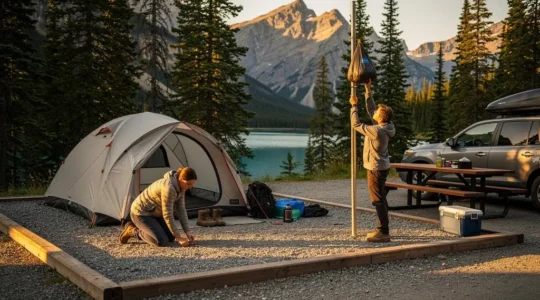
How Can You Plan a Successful Camping Trip in Canada’s National Parks?
Camping in Canada’s national parks offers access to remarkable landscapes, from Rocky Mountain valleys and boreal forests to coastal ecosystems and remote northern wilderness. But a successful trip requires more than a tent, a campsite reservation and an appealing destination….
Lire la suite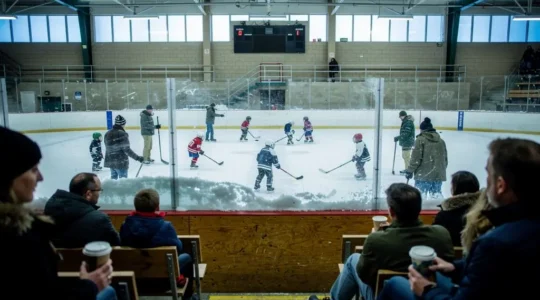
Why Does Hockey Remain So Important to Canadian Sport and Culture?
On a winter Saturday in Canada, hockey can bring together people who might otherwise have little reason to meet. At a neighbourhood arena, children learn to skate, parents coordinate rides, volunteers organize practices, and families share the experience of watching…
Lire la suite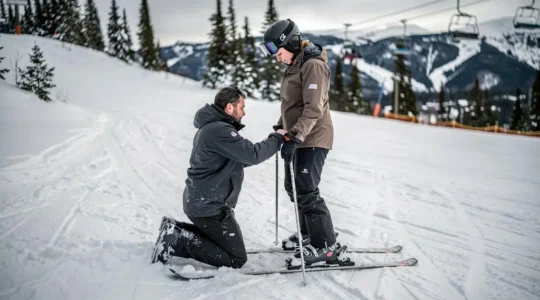
How Can You Start Skiing in Canada Without Making Costly Beginner Mistakes?
Starting skiing in Canada can be exciting, but the first few outings can also become expensive, uncomfortable or discouraging. Between equipment rentals, lift tickets, lessons and travel, a beginner may spend a considerable amount before discovering whether downhill skiing suits…
Lire la suite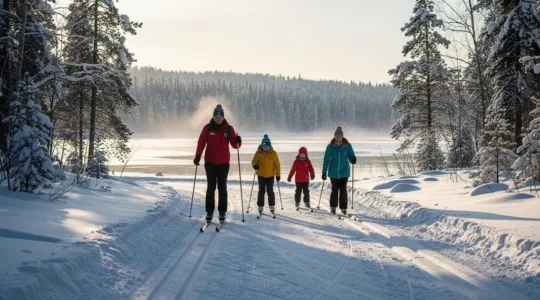
Which Winter Sports Best Fit Different Canadian Lifestyles?
Winter sports in Canada can mean a free afternoon on a neighbourhood skating rink, a family cross-country ski outing or a carefully planned weekend in the mountains. The best choice depends less on how adventurous an activity looks than on…
Lire la suite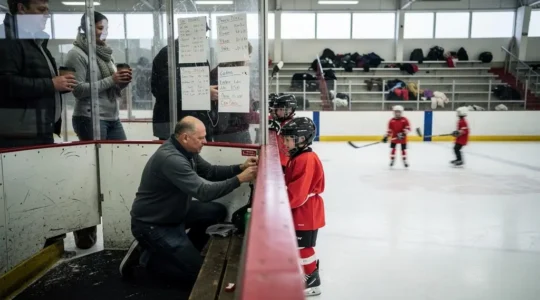
How Do Community Sports Strengthen Canadian Communities?
Community sports strengthen Canadian communities by creating regular opportunities for people to connect, stay active, volunteer and develop a sense of belonging. From neighbourhood soccer fields to small-town hockey arenas, accessible recreational programs offer something that extends beyond physical activity:…
Lire la suite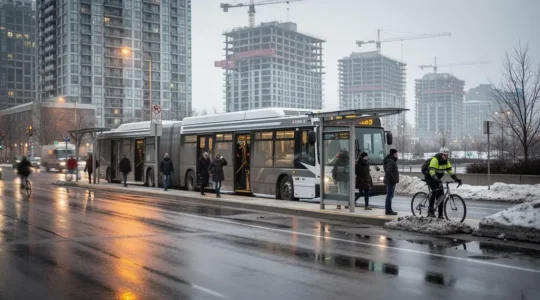
Where Does Public Transit Expansion Deliver the Greatest Benefits?
Public transit expansion delivers its greatest benefits where it connects substantial travel demand with reliable service, accessible stations and destinations people need to reach. In Canadian cities, that often means upgrading overcrowded corridors, improving connections between residential neighbourhoods and major…
Lire la suite