Politics and Economy
Politics and the economy are deeply connected in Canada. Every budget tabled in Parliament, every trade agreement signed with another country, and every regulatory change in Ottawa or in provincial legislatures has a direct effect on jobs, prices, taxes and the overall quality of life. Yet for many people, the way these two worlds interact can feel abstract or confusing. This pillar page provides a clear, structured explanation of how Canadian politics shapes the economy, which institutions play a key role, and how citizens can better understand and navigate these forces.
Whether you are a student, a worker, a business owner or simply a curious citizen, understanding this relationship helps you make more informed decisions, from voting and saving to investing and planning a career.
What Does “Politics and Economy” Actually Mean?
At its simplest, political economy is the study of how governments and markets influence each other. Politics determines the rules of the economic game: who gets taxed, what gets subsidized, which industries are regulated, and how public money is spent. The economy, in return, shapes political priorities: rising living costs push affordability to the top of the political agenda, while unemployment or a housing shortage can change the outcome of elections.
In the Canadian context, this interplay happens at multiple levels. The federal government manages things like monetary framework coordination, international trade, immigration and major transfers to provinces. Provincial governments handle health care, education and natural resources. Municipalities manage zoning, transit and local infrastructure, all of which have economic consequences.
Key Institutions Shaping Canada’s Economy
Several institutions form the backbone of Canadian economic governance. Knowing who does what is the first step toward understanding economic news.
- The Bank of Canada: an independent central bank responsible for monetary policy. Its main tool is the key interest rate, which influences borrowing costs, inflation and the value of the Canadian dollar.
- The Department of Finance Canada: prepares the federal budget and oversees fiscal policy, including taxation and government spending.
- Parliament and the House of Commons: debates and passes legislation, including budgets and trade agreements.
- Provincial and territorial governments: manage large shares of public spending, especially health and education, and set their own provincial taxes.
- Regulatory agencies: bodies such as the Competition Bureau or the Canadian Radio-television and Telecommunications Commission oversee markets and protect consumers.
A useful analogy is to think of the economy as a large ship: the Bank of Canada adjusts the engine speed through interest rates, while governments steer the direction through budgets, taxes and regulations. Both matter, and they do not always pull in the same direction.
Fiscal Policy: How Governments Tax and Spend
Fiscal policy refers to the use of government spending and taxation to influence the economy. In Canada, this is most visible in the federal budget, presented regularly by the Minister of Finance. Fiscal policy serves three broad purposes:
- Allocating resources: funding public goods such as roads, hospitals, schools and defence.
- Redistributing income: through progressive taxation, the Canada Child Benefit, employment insurance and old age security.
- Stabilizing the economy: increasing spending or cutting taxes during downturns, and consolidating when growth runs hot.
A practical example: when the economy slows and households cut back on spending, government transfers and public investments can support demand and protect jobs. Conversely, when inflation is high, governments may restrain spending to avoid adding fuel to price pressures. The balance is always a political choice, which is why budgets are among the most debated documents in Canadian public life.
Deficits and Debt: What Should Readers Understand?
A deficit occurs when the government spends more than it collects in revenue in a given year. When deficits accumulate over time, they become public debt. Debt is not inherently bad, especially when it finances infrastructure or supports the economy during crises, but its sustainability depends on the interest cost and the growth of the economy. The federal debt-to-GDP ratio is the most commonly used yardstick to assess whether debt levels are manageable.
Monetary Policy and the Role of the Bank of Canada
Monetary policy is the other major lever. The Bank of Canada adjusts its key policy rate to keep inflation low, stable and predictable, with an official target around 2 percent. When inflation rises, the central bank typically raises rates, making mortgages, loans and credit lines more expensive, which cools spending and price growth. When the economy weakens, it lowers rates to encourage borrowing and investment.
For households, this translates directly into mortgage renewals, car loan payments and savings returns. For businesses, it affects the cost of financing expansion. Understanding the direction of monetary policy helps explain much of what happens to household budgets, even though the decisions are made independently of elected officials.
Trade and Natural Resources: Canada’s Economic Foundations
Canada is a trading nation. A large share of its gross domestic product depends on exports, particularly energy, automobiles, metals, agricultural products and forestry. Trade agreements with the United States, Mexico and other partners define the rules under which Canadian companies access foreign markets.
This is where politics and economics intersect very visibly:
- Tariffs and trade disputes can raise costs for consumers and hurt exporting industries, especially in sectors like softwood lumber, steel and dairy.
- Energy policy, including pipelines and climate regulations, involves trade-offs between environmental goals, provincial economies and international commitments.
- Supply management in dairy, poultry and eggs reflects a long-standing political choice that protects domestic producers while affecting consumer prices.
Because so much of Canadian trade flows across the border with the United States, relations with that country are a constant economic and political preoccupation. Shifts in American trade policy can have immediate effects on Canadian jobs and investment decisions.
Federal-Provincial Relations and Economic Coordination
Canada’s constitution divides powers between Ottawa and the provinces, which creates a distinctive political economy. Health care funding, for example, involves federal transfers to provinces that deliver the services. Equalization payments help ensure that all provinces can provide reasonably comparable public services at comparable taxation levels, a topic that regularly sparks regional debate.
Climate policy also illustrates this coordination challenge. Carbon pricing has been implemented federally while some provinces have their own systems, and provincial governments differ in their energy strategies. These choices influence where industries locate, how households pay for energy and how Canada meets its emission targets.
How Political Decisions Affect Household Finances
For the average person, abstract policy debates eventually show up in concrete ways. Here are the main channels:
- Taxes and benefits: changes to income tax brackets, GST/HST rebates, child benefits or RRSP and TFSA rules directly affect disposable income.
- Housing policy: zoning rules, mortgage regulations and programs for first-time buyers influence affordability and the housing market.
- Interest rates: central bank decisions change mortgage and loan payments, often within months.
- Job market: immigration levels, skills training programs and sector subsidies shape employment opportunities.
- Prices: competition policy, tariffs and regulations affect what Canadians pay for groceries, telecommunications and fuel.
Consider a fictional example: Marie, a nurse in Ontario, renews her mortgage while the central bank has recently raised rates. At the same time, her provincial government negotiates new health funding with Ottawa, and the federal budget introduces a targeted grocery rebate. Three separate political decisions have just shaped her monthly budget, even though she never thought of herself as following politics closely.
Current Themes in Canadian Political Economy
Several recurring themes dominate the intersection of politics and the economy in Canada today:
- Housing affordability: a cross-partisan concern involving municipal zoning, federal financing programs and provincial legislation.
- Cost of living and inflation: grocery prices, rent and interest rates are central to political debate.
- Energy transition: balancing oil and gas revenues, climate commitments and green investment.
- Productivity and innovation: Canada’s productivity growth compared with peers like the United States is a long-standing policy concern.
- Indigenous economic reconciliation: expanding participation and partnership of Indigenous communities in major projects and businesses.
How to Stay Informed as a Citizen
You do not need to be an economist to follow these issues intelligently. A few habits go a long way:
- Read primary sources: federal and provincial budgets, Bank of Canada rate announcements and their plain-language summaries are freely available online.
- Follow a few reliable indicators: inflation rate, unemployment rate, the key policy rate and the debt-to-GDP ratio tell most of the macroeconomic story.
- Check the source of claims: statistics from Statistics Canada carry more weight than anecdote or viral posts.
- Look at who benefits: when a policy is announced, ask which groups gain, which pay, and over what time horizon.
- Distinguish short-term noise from long-term trends: one month’s jobs report matters less than multi-year directions in wages, prices and investment.
Conclusion: Politics and Economy as Two Sides of the Same Coin
The Canadian economy is not a machine that runs on its own; it is shaped, steered and constrained by political choices made in Parliament, provincial legislatures and the Bank of Canada. Conversely, economic conditions define what is politically possible and popular. Understanding this feedback loop makes you a more informed voter, a more resilient household manager and a more strategic participant in the economy.
This page serves as the foundation for our Politics and Economy category. The connected articles go deeper into specific topics, from budget analysis and monetary policy to housing, trade and energy issues, so you can build a complete and practical understanding of the forces shaping Canada’s economic future.
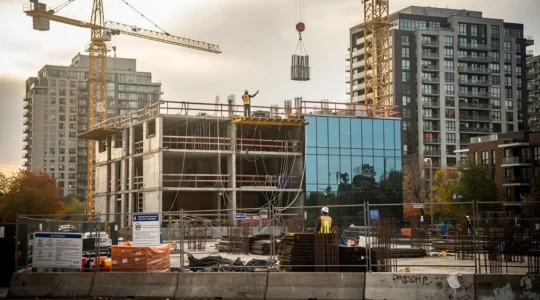
Which Trade-Offs Drive Canada’s National Economic Policy Debate?
Canada’s national economic policy debate is shaped by a persistent problem: policies that improve one economic objective can make another harder to achieve. Investment can strengthen future productivity while increasing current public borrowing. Tax reductions can support household purchasing power…
Lire la suite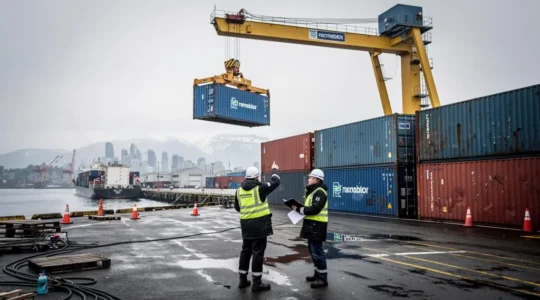
How Can Canada Diversify Trade Beyond Its Largest Markets?
Canada can diversify trade beyond its largest markets by expanding exports to carefully selected destinations, reducing dependence on individual buyers and products, and strengthening the commercial capabilities needed to operate internationally. The objective is not to replace established trading relationships,…
Lire la suite
What Is Creating the Strongest Fiscal Pressures on Canadian Governments?
Canadian governments face a difficult fiscal combination: growing demand for public services, higher debt-servicing obligations, and economic conditions that can restrict revenue growth. These pressures accumulate even when governments avoid announcing major new programs. Health care costs, population aging, existing…
Lire la suite
What Makes a Policy Initiative Work in Practice in Canada?
A government can announce a promising initiative, secure funding and pass legislation without delivering the improvement Canadians were promised. The difference lies in implementation: whether institutions have the authority, resources, coordination and information needed to turn a policy commitment into…
Lire la suite
Which Infrastructure Investments Matter Most for Canada’s Long-Term Growth?
Canada’s long-term economic growth depends not simply on building more infrastructure, but on investing in the networks that enable businesses, communities and public services to function reliably. Freight corridors connect producers to international markets. Electricity systems support industrial expansion and…
Lire la suite
How Are Economic Shifts Changing Financial Decisions for Canadians?
Economic shifts are changing how Canadians decide what to spend, save, borrow and invest. Inflation affects everyday purchasing power, interest rates influence mortgage and business financing costs, and changes in employment conditions shape how confidently households and companies plan for…
Lire la suite